Every guest is different. Treat these notes as starting questions for your brief, not rules about any group of people.
01Long, sit-down meals
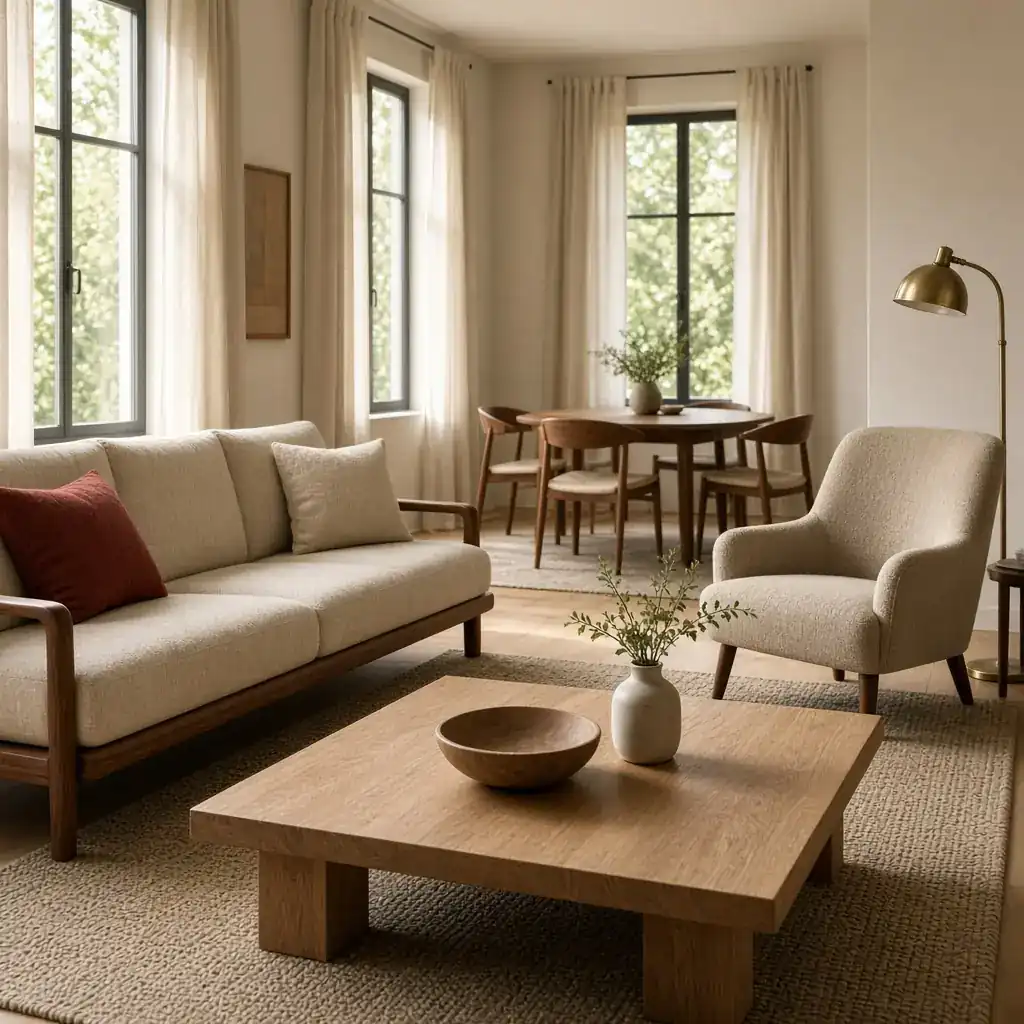
Dining is often slow and seated, from breakfast through to dinner. Check seat depth, back support, and cushion comfort for long sittings. Confirm table height and knee clearance with the chair you plan to pair it with, and check that armchairs slide under the table edge.
02Lounging and in-room work
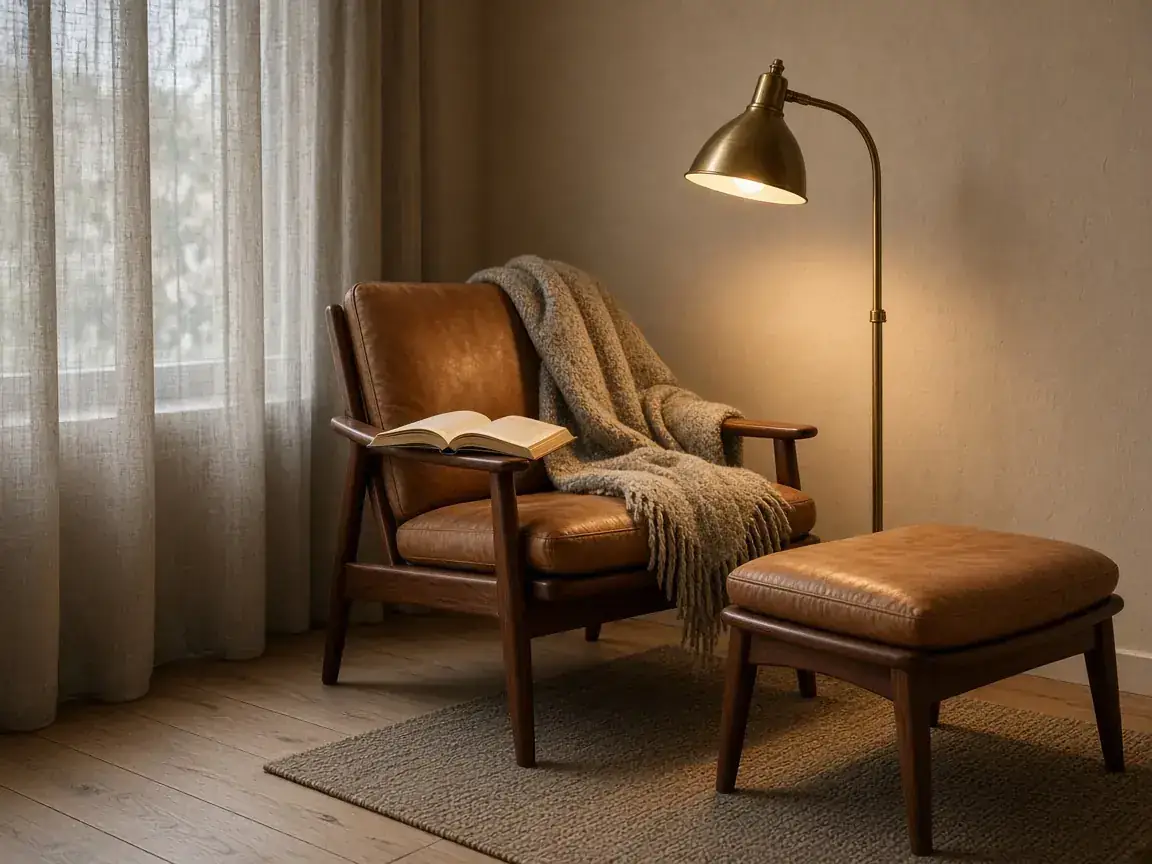
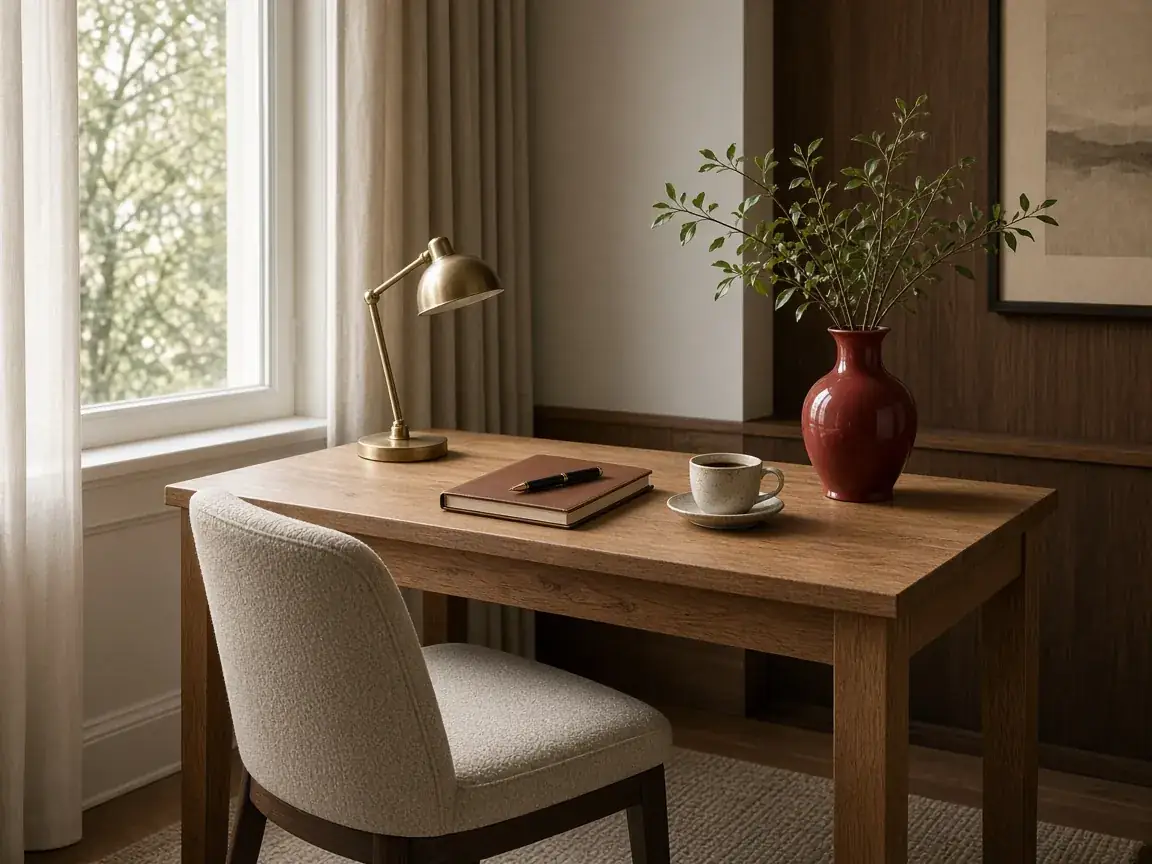
Guests read, stream, and work from the room. Plan a desk at a usable height with a supportive chair, good task lighting, and power within reach. Sofas and lounge chairs get used for long stretches, so seat depth and cushion support matter.
03Room to sit comfortably
Guests come in a wide range of heights and builds. Ask for generous seat widths, sturdy frames and joints, and armchairs that are easy to rise from. Beds, desks, and seating should be reviewed on a sample, not only on a drawing.
04Natural materials, visible craft
Solid wood, linen, wool, leather, rattan, and stone are widely valued, along with honest joinery and hand finishing. Natural materials vary from piece to piece, so agree in writing how much variation in grain, tone, and texture is acceptable.
05Built for housekeeping
Hospitality pieces are cleaned daily, moved often, and used by many people. Ask about cleanable or removable covers, finishes that tolerate cleaning products, protected edges and feet, and how replacement parts can be ordered later.
06Fire safety and compliance
Upholstered furniture, mattresses, and textiles face specific fire-safety rules in the UK, the US, and the EU, and the requirements differ between markets. Name the markets and standards early, so suppliers can confirm what test reports and labelling they can provide before you approve a sample.
07Classic and mid-century taste
Timeless forms such as bentwood, Windsor-inspired, Scandinavian, and mid-century shapes remain popular. If a design is inspired by a known piece, check design rights in the markets where it will be used, and describe the piece as inspired by a style rather than as an original.